How does William's AI answering work for towing in Montreal, QC?
William sits on your towing phone line and answers every call like a dispatcher would. He confirms language (French or English), asks your towing intake questions, captures location and vehicle details, checks urgency, and then either books the job, passes it to dispatch, or follows the rules you set. You choose exactly what he says based on your pricing, zones, and policies.
Can William really handle French and English towing calls in Montreal?
Yes. William detects if the caller starts in French or English and runs the right script. He can confirm boroughs, bridges, highways, and common Montreal landmarks in either language, so a panicked driver from Laval or a local in Hochelaga gets clear, simple questions and instructions without language friction.
Will William answer after-hours and storm calls for my towing company?
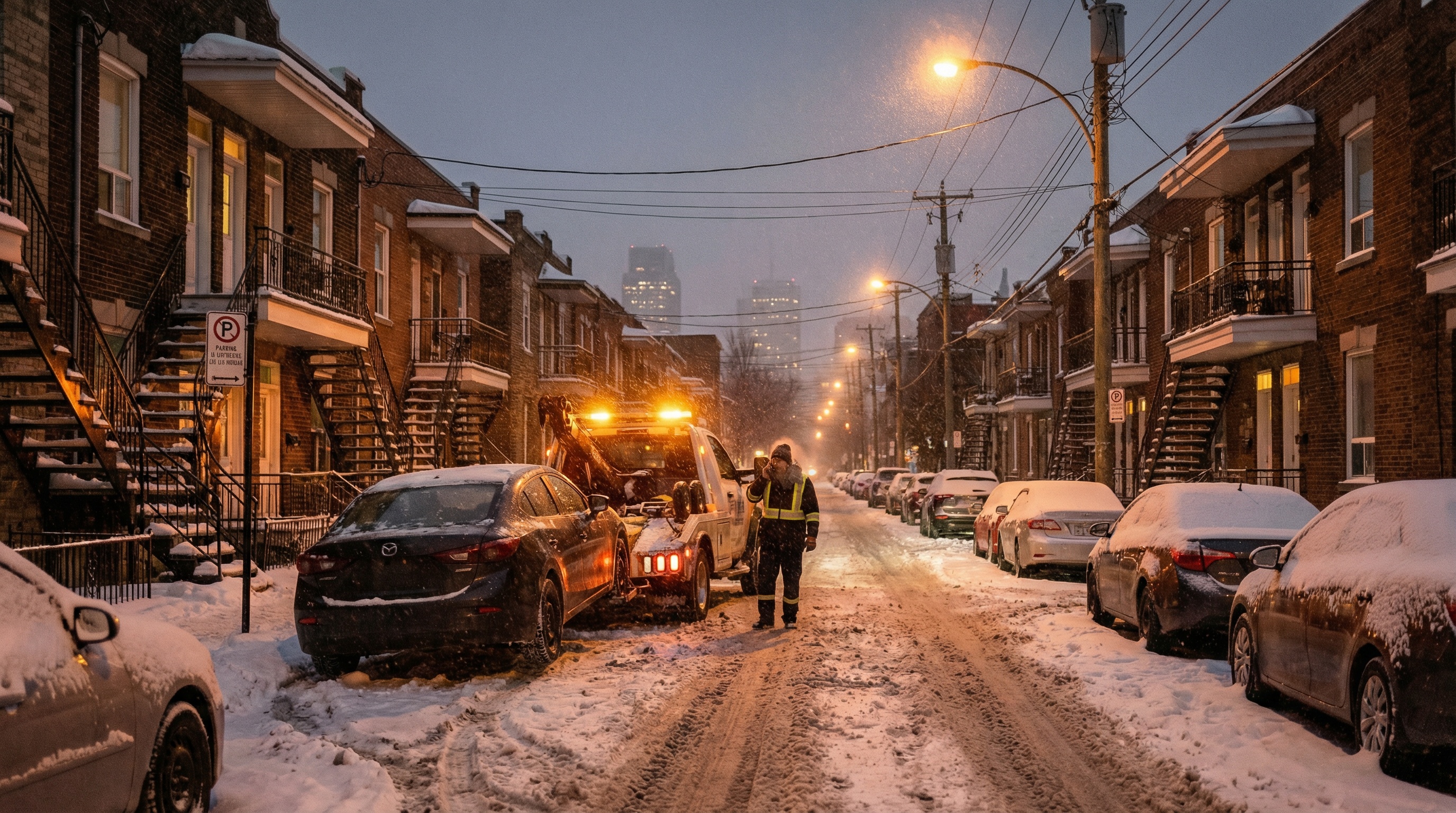
William can cover nights, weekends, and storm surges when your team cannot keep up. Every call is answered, qualified, and documented, whether it comes during rush hour on Décarie, a snowstorm on the 20, or at 2 a.m. from the West Island, so good jobs do not die in voicemail.
Can William qualify and route towing leads before my dispatcher gets involved?
Yes. William separates urgent roadside and accident calls from low-value or out-of-area requests by asking a short set of questions you define. High-priority jobs, like a crash on the 20, a blocked lane on the Met, or a fleet breakdown, can be pushed straight to your dispatcher or on-call phone, while quotes or junk car calls can be logged, priced, or parked for later.
How do I test William on my own Montreal towing calls?
You start by pointing William at your website and basic towing rules, including service zones, rate structure, and how you like jobs handled. Then we run real or sample Montreal calls through him so you can hear recordings, see transcripts, and check summaries before going live on your main line or starting with after-hours only.