How does William AI answering work for towing companies in Calgary?
William sits on your main towing line and answers like a dispatcher. It asks callers where they are, what they are driving, what is wrong, and where it needs to go, then either books the job, routes hot calls to you, or queues non-urgent ones. You get clean notes, recordings, and summaries for every call around Calgary instead of rushed scribbles.
Can William handle after-hours and storm-day tow calls across Calgary?
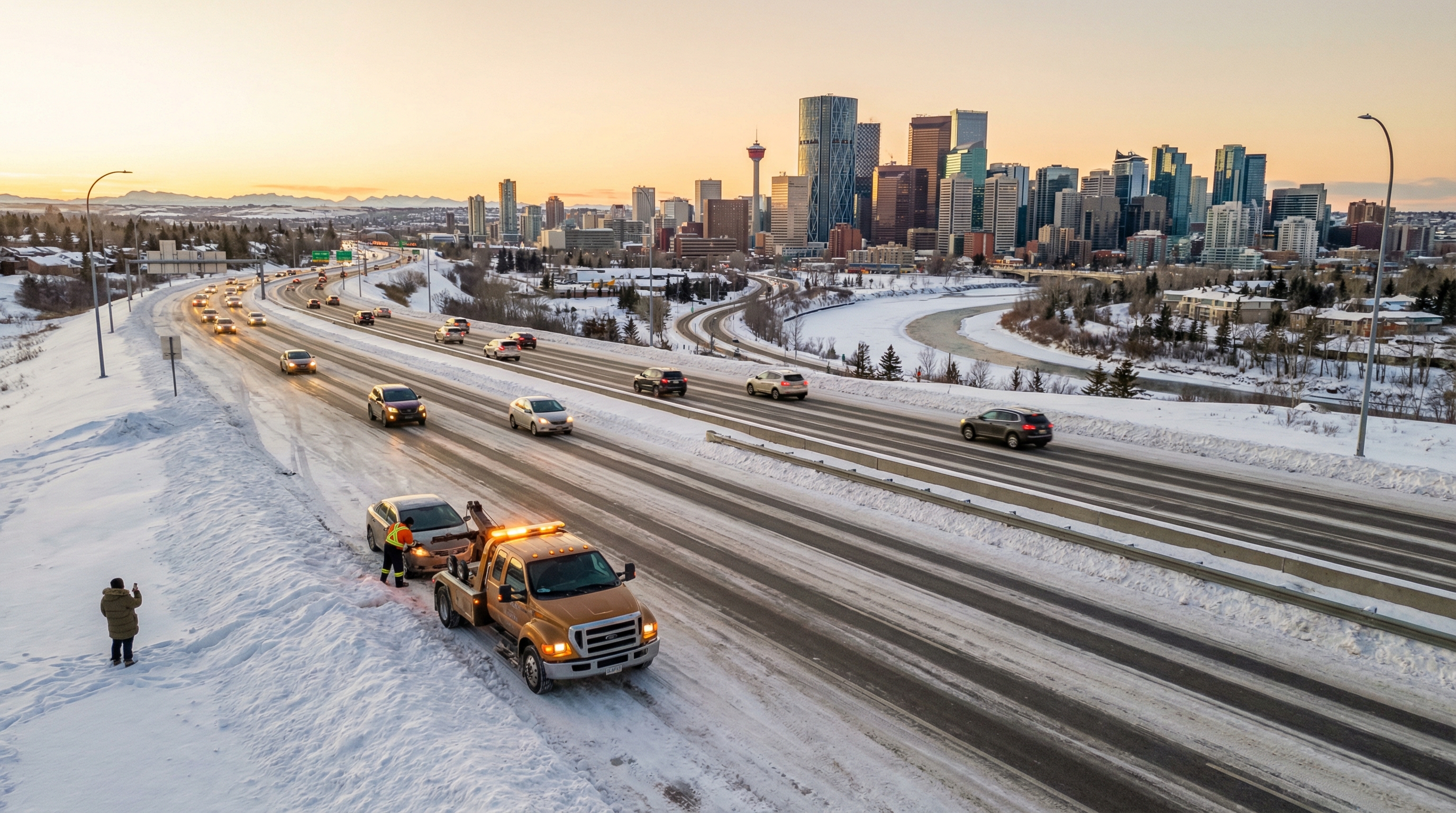
Yes. William runs 24/7, so when a blizzard or black ice hits and phones blow up, every call still gets answered. Nights, weekends, and overflow during snow days are all covered, which is when Calgary drivers are most desperate and most likely to pay for a fast tow.
Will William understand Calgary locations and real towing scenarios?
William is set up with your real service area, common routes, and landmarks like Deerfoot Trail, Stoney Trail, the Calgary airport area, Foothills Industrial, and nearby communities. Callers can give cross streets, nearby businesses, or highway markers, and William captures that detail in the notes your dispatcher or driver sees.
Can William qualify and route towing leads before they reach my dispatcher?
Yes. William does full tow intake including location, vehicle, issue, destination, urgency, and any roadside program or fleet info, then tags the call and routes it based on your rules. High-value accident or commercial calls can ring straight through to the on-call dispatcher, while routine questions or low-priority jobs are logged without tying up your team.
How do I try William on my Calgary tow lines before committing?
Real Automation sets William up using your website, coverage map, and pricing structure, then lets you hear it handle real or test calls. You can start with after-hours or a single number, listen to recordings, read summaries, and see how many extra paying tows it catches during a typical Calgary week or storm cycle before you roll it out wider.