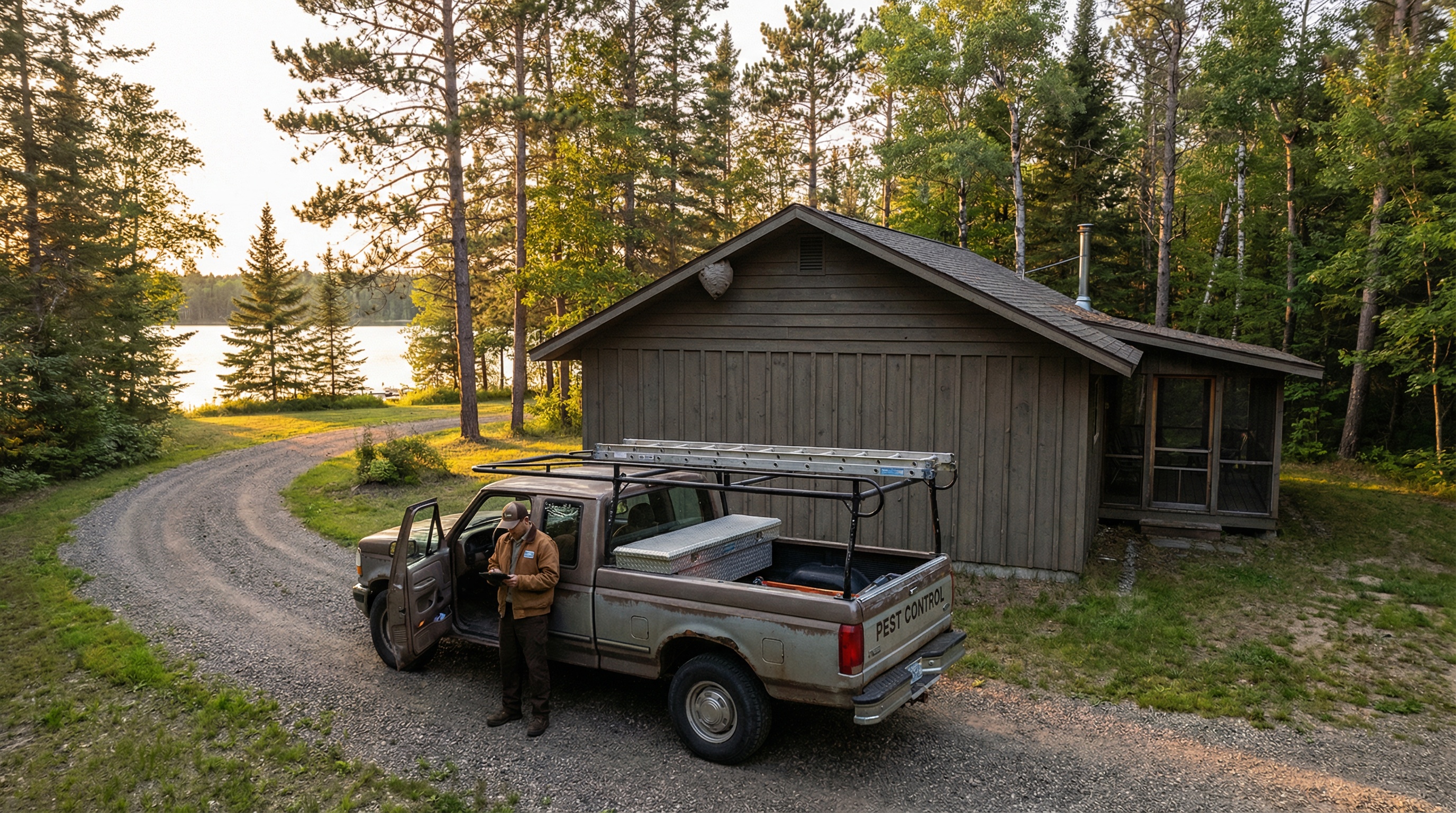
How does William AI answering work for pest control in Pine River, MN?
William sits on your existing phone line and answers like a trained phone employee for your pest control company. It asks plain-language questions about what the caller is seeing, such as mice, bats, wasps, or spiders, plus address, lake name, access, and timing. Then it tags the call, sends you a summary with all the details, and, if you want, transfers or messages your team based on rules you set.
Can William handle after-hours and weekend pest calls around Pine River?
Yes. William runs 24/7, so when someone spots a wasp nest on the deck Friday night or hears mice in a cabin on Sunday, the call still gets answered. It can collect full intake, set expectations, and mark true emergencies so you decide what to jump on without sifting through voicemails later.
Will William sound local enough for my Pine River pest control customers?
William is configured with your own wording, service area, and common local terms such as Pine River, Whitefish Chain, Backus, Pequot Lakes, gravel roads, and cabins. The tone is calm, clear, and simple, so even older callers explaining country directions can get through the questions without feeling like they are talking to a robot.
Can William qualify and route pest control leads before they reach me?
Yes. William follows a strict intake script you approve, covering pest type, urgency, location, distance from Pine River, structure type, and budget range. Based on the answers, it can flag high-value jobs, send commercial leads to one inbox, routine quarterly work to another, and screen out out-of-area or low-budget calls so you are not driving 45 minutes for a zero-revenue job.
How do I see what William captured from my Pine River pest calls?
Every call comes with a written summary, full transcript, and recording you can play back. You see key fields like name, phone, address, lake, pest issue, urgency, and any access notes, ready to drop into your calendar or CRM. That means no more replaying voicemails three times to catch a lake name or gate code.