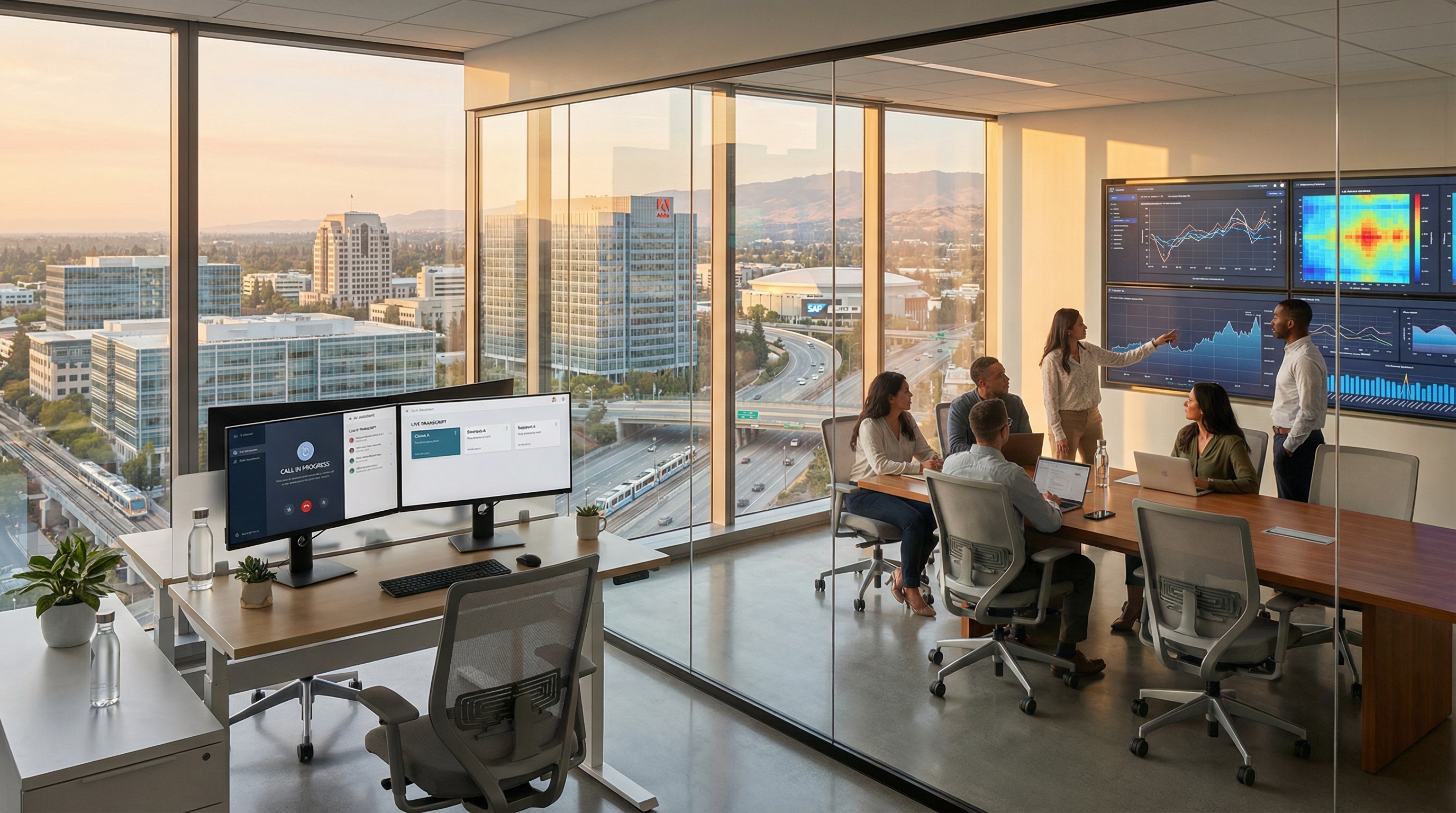
How does William's AI answering work for data analytics firms in San Jose?
William sits on your main phone line and answers every inbound call, 24/7. It is trained on your website, offers, and typical project types, so it can explain what you do, ask structured discovery questions, and guide callers to the right next step. High-intent calls get qualified and routed; low-fit calls are logged without burning partner time.
Will William sound generic to tech buyers in Silicon Valley?
No. William is configured with your language, services, and examples, so it can talk comfortably about topics like BI tools, data warehouses, experimentation, and analytics stacks without sounding like a script. The goal is not small talk; it is a clear, competent first contact that passes the does this firm know what it is doing test for San Jose VPs and founders.
Can William handle after-hours and time-zone calls for analytics projects?
Yes. Many South Bay clients run distributed teams, so calls can land early, late, or from overseas. William answers the same way at 10 p.m. as at 10 a.m., captures requirements, and books time on your calendar or opens a ticket so you start the next day with scoped opportunities instead of missed chances.
How well does William qualify and route data analytics leads?
You define the signals that matter, such as project type, tools in use, rough budget, urgency, and role of the caller. William follows that logic, tags the call, and routes enterprise-scale work to one owner, smaller audits or dashboards to another, or parks obvious non-fits. That keeps senior ICs focused on calls that are likely to become real revenue.
How do I try William on my San Jose analytics calls before committing?
You can run William against your own site and main number first. We set up a short script and routing rules based on your typical projects, then you listen to real or test calls, review transcripts and summaries, and see how it handles discovery for things like board reporting or stack audits before you roll it out wider.